
Climate change isn’t just happening in faraway nations—it shapes lives here in Hermantown. As governments worldwide update their climate pledges and cooperate on new policies, our town must be ready to adapt, contribute, and lead.
What Are These Global Commitments?
There are several key agreements in which almost every country in the world participates. The United Nations Framework Convention on Climate Change (UNFCCC) sets the stage for almost all global climate diplomacy. Under its umbrella: the Paris Agreement, which aims to limit global warming well below 2 °C and ideally to 1.5 °C above pre-industrial levels. Parties to the agreement set their own climate plans, called Nationally Determined Contributions (NDCs), which cover emissions, adaptation strategies, financing, and technology transfer. The first “global stocktake” under the Paris Agreement wrapped up in 2023—it’s a status report of how well the world is doing, where gaps lie, and what needs to happen next.
Recent Shifts: From Pledges to Action
Recent international reports indicate a shift: countries aren’t just making new promises—they’re being pushed to deliver concrete results. The 2026 Breakthrough Agenda Report emphasizes that many projects, policies, and coalitions are now focused on measurable action—like ramping up renewable energy, improving energy efficiency, and securing funding for the most vulnerable nations. Meanwhile, conferences and gatherings like the Subsidiary Bodies meetings and climate‐weeks are becoming hubs for turning ideas into implementation.
Impact on Communities Like Hermantown
While international deals seem distant, their effects resonate locally:
- Energy and Infrastructure: As national goals push power systems toward cleaner energy, local utilities may receive incentives or grants for solar, wind, or energy storage projects.
- Severe Weather Preparedness: Global warming increases the risk of flooding, extreme storms, and wildfires. Hermantown may see more funding for flood control, emergency response systems, and resilient infrastructure.
- Economic Shifts: Demand for renewable energy, green construction, and energy‐efficient retrofits could create jobs in the region. On the flip side, traditional industries relying on fossil fuels may face new regulations or market pressure.
- Health and Environment: Cleaner air, better water quality, and initiatives to protect local ecosystems (like wetlands and forests) depend on meeting international climate goals.
What Can Hermantown Do?
Putting global progress into local context doesn’t mean waiting for Washington or international summits—it means action at city hall, schools, factories, and backyards. Here are steps Hermantown residents and leaders can take:
- Participate in local climate planning: engage with city officials to ensure local policies align with national and global targets.
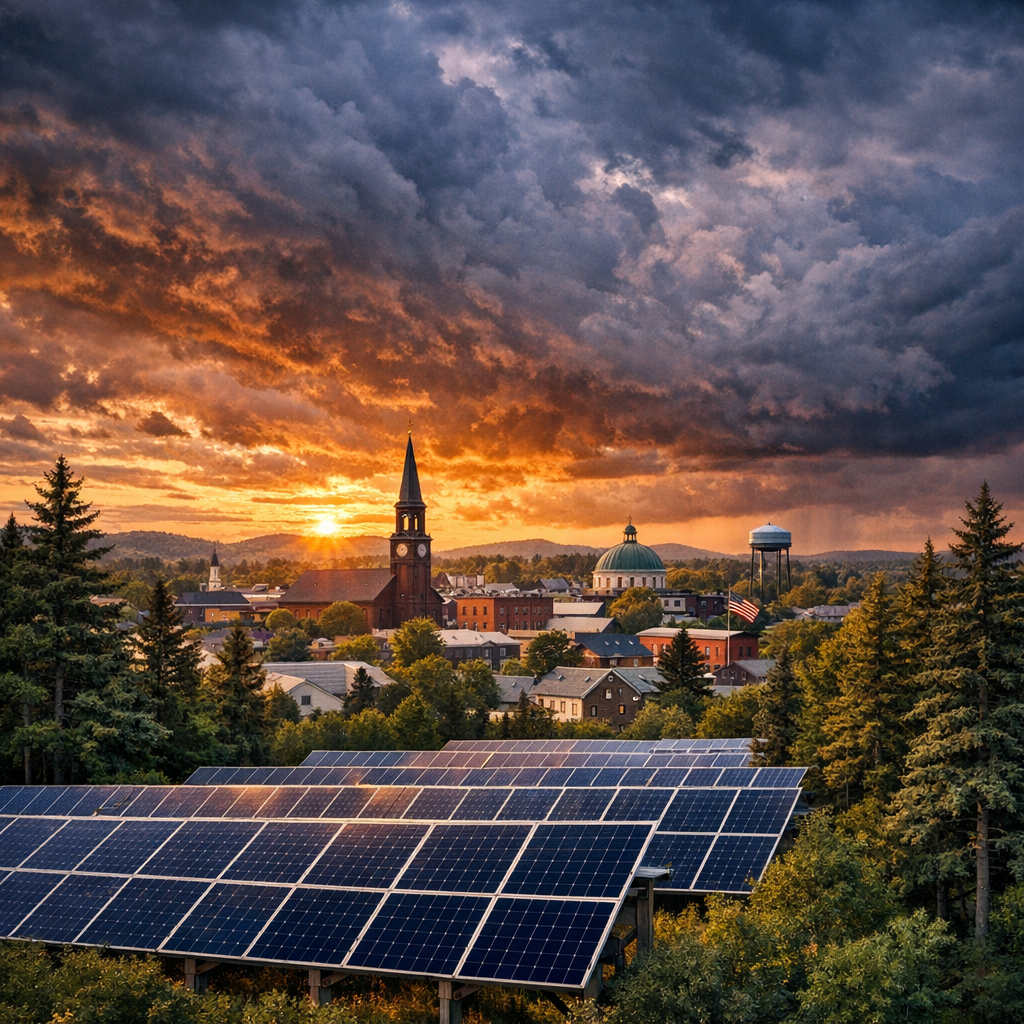
- Invest in renewable energy: explore solar installations on public buildings, support community solar projects, or incentives for households.
- Enhance green infrastructure: restore wetlands, improve stormwater management, and plant native trees to mitigate flood risks and absorb carbon.
- Support energy efficiency: encourage residents and businesses to improve insulation, upgrade heating and cooling systems, and adopt energy‐saving practices.
- Foster education and awareness: schools and community groups can bring people together around what global climate goals mean for Minnesota, and what small steps make a difference.
Global climate agreements forge the framework; what matters now is translating commitments into action everywhere—Hermantown included. Because the more our town acts, the more our future—and the planet’s—can be greener, healthier, and more just.